

Western Singing Classes Online
Benefits of Western Vocal Training for Kids
Western vocal music helps children develop skills that go far beyond singing:
Better listening, pronunciation, and language skills
Improved concentration and memory
Increased confidence and stage readiness
Strong emotional expression and creativity

Why Parents Choose Voxtune Music Academy
Parents trust Voxtune because we provide:
Structured Western vocal curriculum
Individual attention in every class
Safe vocal techniques for children
A positive, encouraging learning environment
Types of classes
-
(4 Sessions per Month · 1 Hour Each · Max 4 Students)
Our small-group Western vocal classes provide a fun and interactive learning environment while ensuring individual attention.
With only four students per batch, children learn to sing confidently, listen better, and develop rhythm and pitch awareness through guided group activities. Learning alongside peers helps build motivation, stage confidence, and musical discipline.
Ideal for parents looking for structured learning with social interaction and strong fundamentals.
Best for: Beginners and children who enjoy collaborative learning.
-
(4 Sessions per Month · 30 Minutes Each)
Designed specifically for young beginners, these one-on-one vocal classes focus on short, engaging sessions that match a child’s attention span.
Each class helps students develop basic vocal control, pitch accuracy, and musical awareness without feeling rushed or overwhelmed. Parents appreciate this format because it builds consistency while keeping learning light and enjoyable.
Ideal for parents looking for exploring their child’s interests.
Best for: Ages 6–14 or first-time learners.
-
(4 Sessions per Month · 1 Hour Each | Sibling / Parent-Child Option)
This plan offers deeper musical immersion with the flexibility of shared learning.
With longer sessions, students get more time for vocal exercises, song practice, and personalised feedback. The option for sibling sessions or parent-child classes turns music into a shared experience, strengthening emotional bonding along with musical growth.
Parents choose this plan for faster progress, flexibility, and quality learning time.
Best for: Serious learners and families who want to learn together.
-
(8 Sessions per Month · 30 Minutes Each)
Instead of longer classes, this plan prioritises frequency, ensuring students stay musically connected throughout the week. Short, regular sessions improve retention, discipline, and vocal consistency — especially important for children working on technique and performance skills.
Parents prefer this option when they want steady progress without overloading the child.
Best for: Students aiming for faster improvement and structured mentorship.
Curriculum and Levels
-
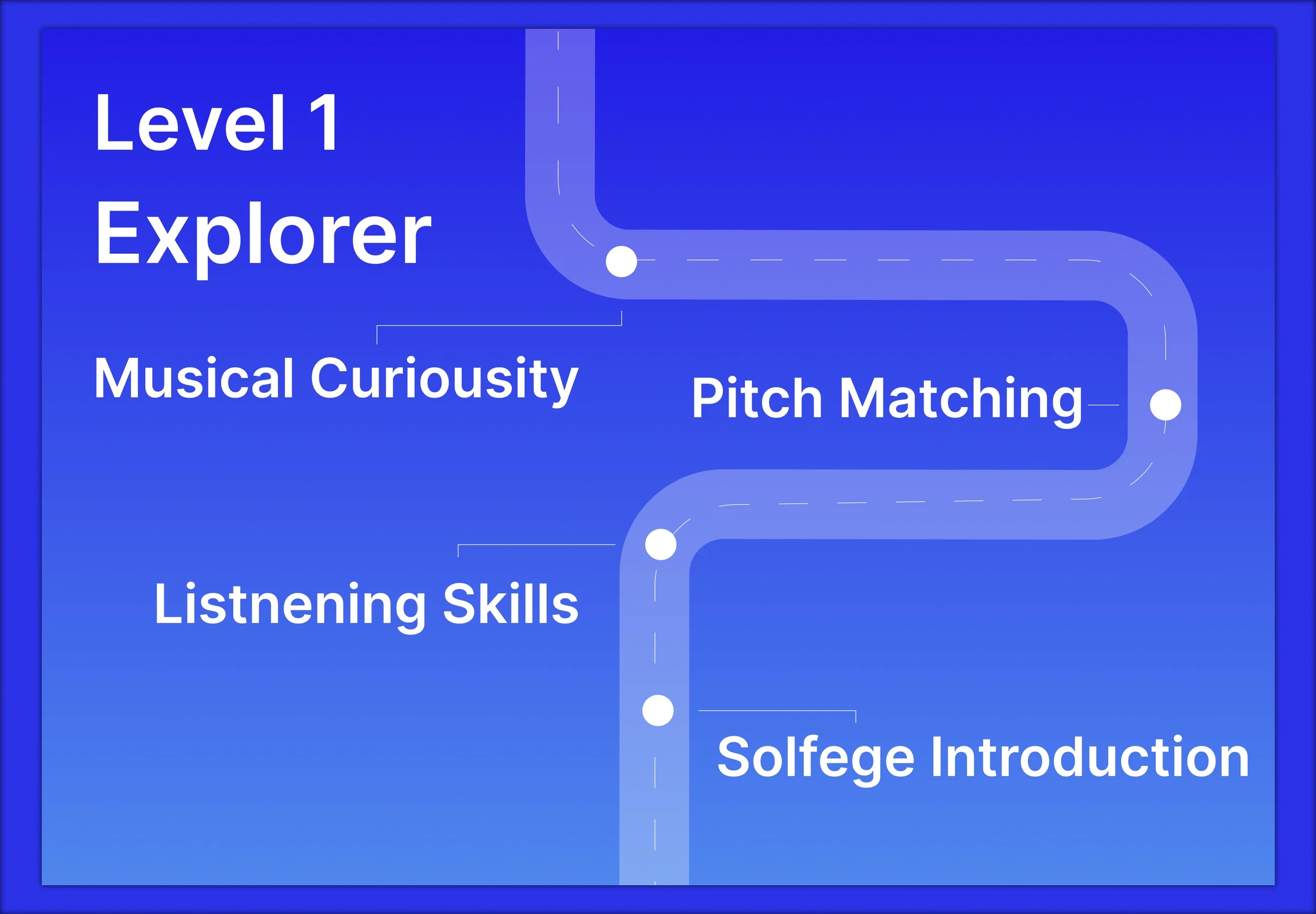
(Foundation & Musical Interest Building)
Objective:
Build strong musical basics while developing curiosity, confidence, and interest in music.
At this stage, children are introduced to music in a fun, approachable, and non-intimidating way. The focus is not perfection — it’s understanding sound, rhythm, and voice control.
Approx Time Frame:- 4-6 Months
Key Learning Outcomes:
Accurate pitch matching and vocal awareness
Introduction to music notes and solfege
Basic rhythm dictation and rhythmic understanding
Introduction to dynamics (loud/soft) and tempo (fast/slow)
Creating simple original rhythmic patterns
Developing listening skills and musical curiosity
By the end of Level 1, students are comfortable singing in tune, understanding basic musical ideas, and most importantly — excited about learning music.
-
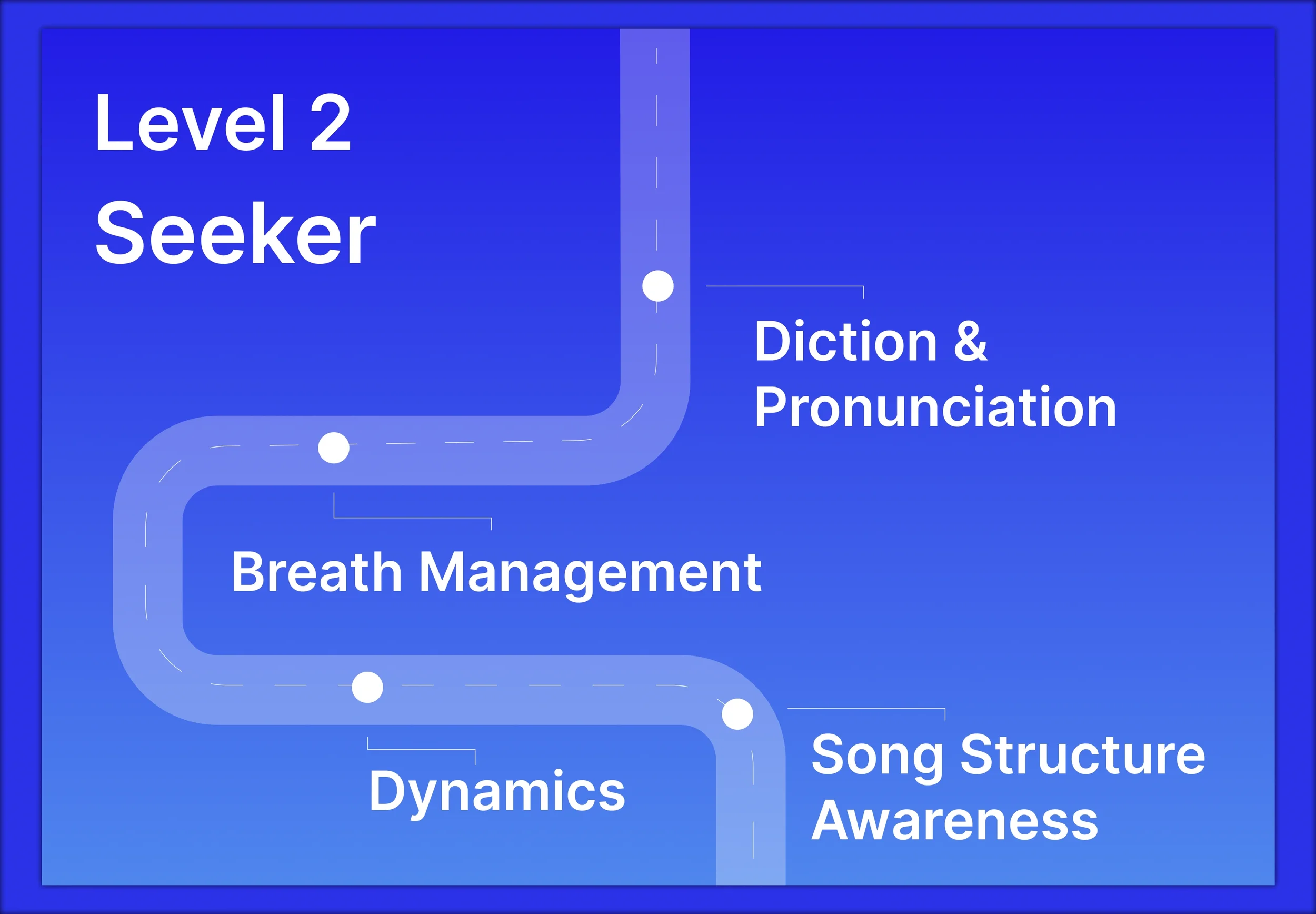
(Control, Accuracy & Musical Expression)
Objective:
Strengthen musical accuracy and begin expressive singing with confidence.
This level shifts from “learning what music is” to learning how music works. Students start listening more critically and singing with intention.
Approx Time Frame:- 5-7 Months
Key Learning Outcomes:
Introduction to ear training and pitch recognition
Consistent accurate intonation across songs
Clear diction and pronunciation
Understanding musical phrasing and breathing techniques
Applying appropriate dynamics and tempo in performance
Improved rhythmic precision and song structure awareness
By the end of Level 2, students can perform songs confidently, with control, musicality, and awareness — not just memorization.
-
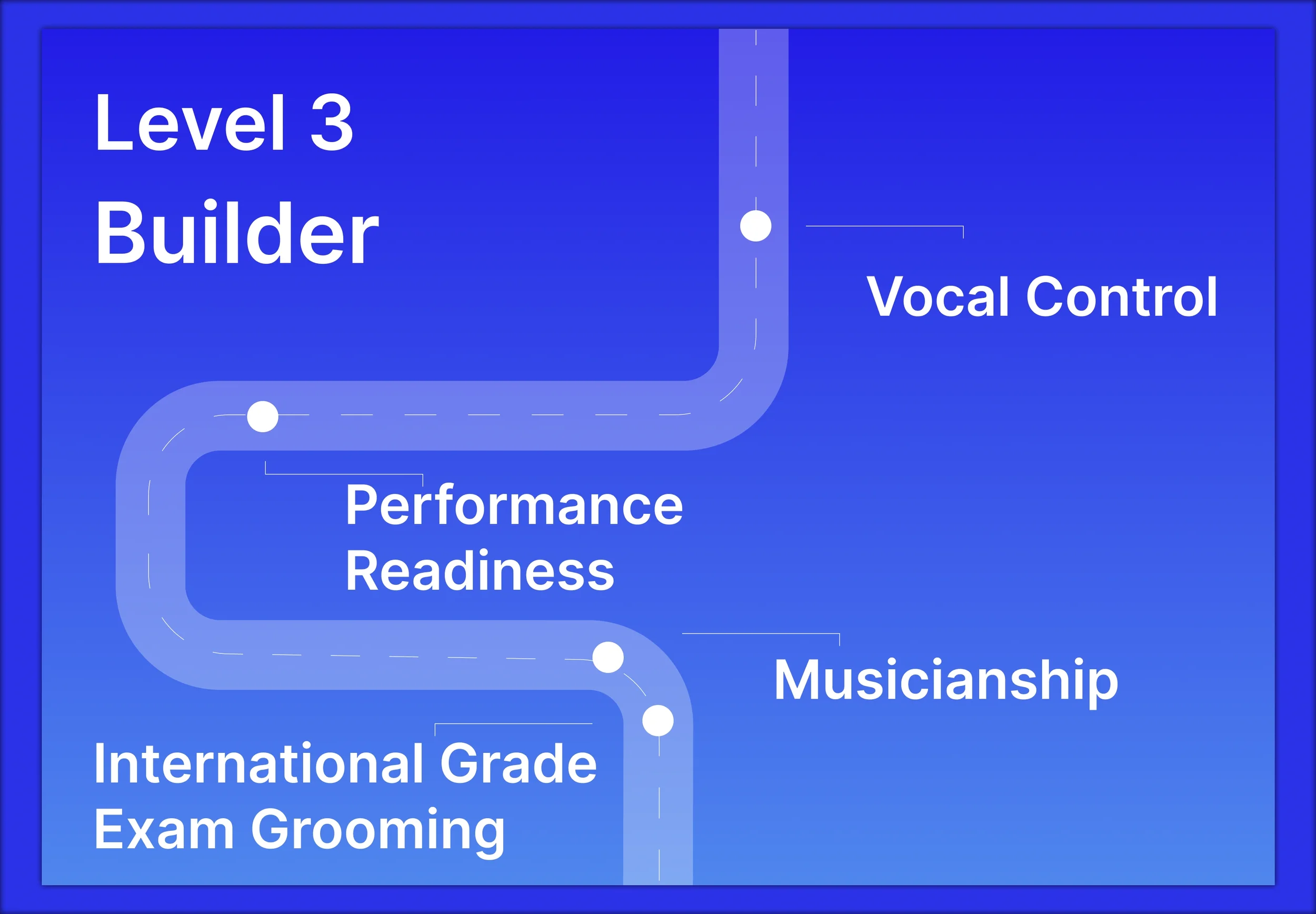
(Musicianship, Expression & Exam Readiness)
Objective:
Develop complete musicianship while preparing students for internationally recognized music assessments.
At this stage, students move beyond basic performance and begin training like serious vocal learners. The focus is on musical understanding, technical clarity, and expressive control — the qualities required for advanced learning and formal evaluation.
Approx Time Frame:- 7-9 Months
Key Learning Outcomes:
Intermediate ear training for refined pitch and interval accuracy
Advanced articulation, expression, and vocal control
Strong emphasis on musicianship and musical interpretation
Confident performances with accurate intonation, clear diction, proper phrasing, and controlled dynamics and tempo
Introduction to writing music on the staff, building notation awareness
Understanding song structure and stylistic accuracy
International Exam Grooming Begins
Structured exam grooming for Trinity College London or Rockschool London begins at this level
Students are introduced to exam formats, performance requirements, and assessment criteria
Focus on building exam confidence, not pressure — ensuring students are prepared mentally and musically
By the end of Level 3, students are not just singers — they are musically aware performers, ready for higher-level training and optional international music certification pathways.